Beef Tallow
Beef tallow is rendered fat from beef that cooks up rich, flavorful, and perfect for a variety of dishes. People love it for the deep, savory taste it adds to vegetables, meats, and baked goods. I like to slowly render it on the stove while preparing other parts of a meal, filling the kitchen with a warm, meaty aroma. It’s ideal for busy evenings when you want a simple, comforting ingredient that elevates everyday cooking. Whether frying potatoes, searing steaks, or making savory pastries, beef tallow delivers rich flavor and versatility, making it a staple in a cozy home kitchen.
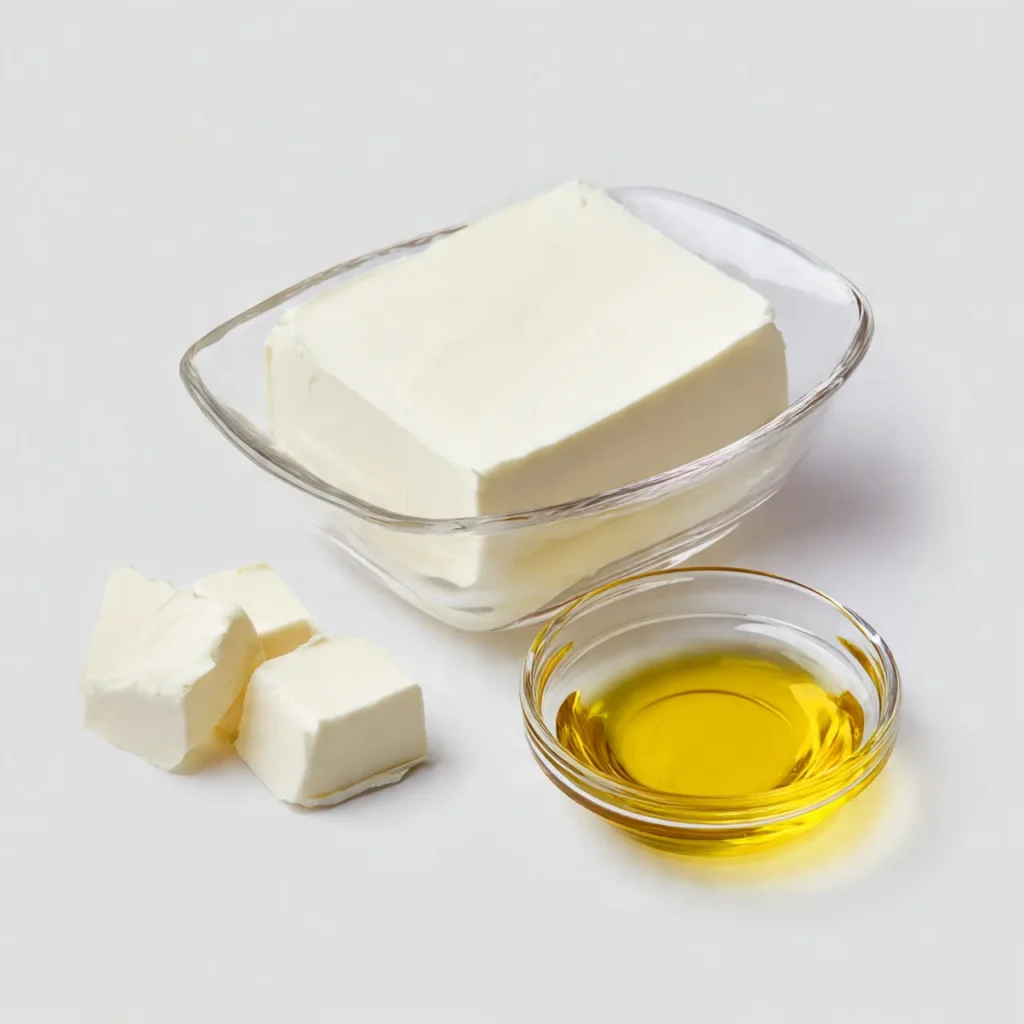
Why You Will Love This Recipe
This beef tallow recipe is simple, flexible, and budget-friendly. Rendering your own tallow brings a deep, meaty flavor to any dish, far beyond store-bought oils. It’s perfect for weeknight cooking, as it can be made ahead, stored, and used in a variety of meals. Cozy and versatile, it works for frying, roasting, or baking, and makes leftovers even tastier. Whether you’re looking to add richness to vegetables, sear meats, or create indulgent, savory pastries, homemade beef tallow is a crowd-pleasing addition. Save it for freezer-friendly use and enjoy its comforting flavor any time.
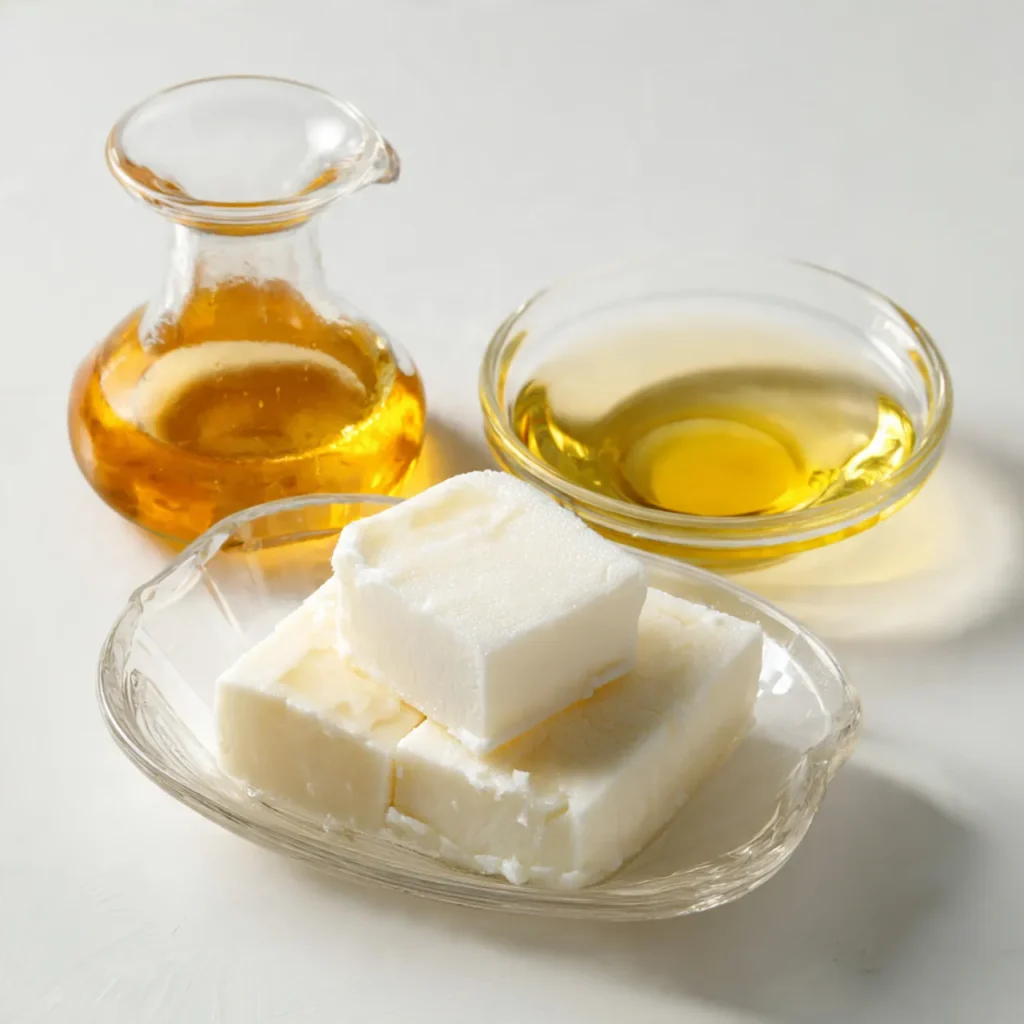
Ingredients
Tip: Use beef fat trimmed from well-marbled cuts for the richest flavor.
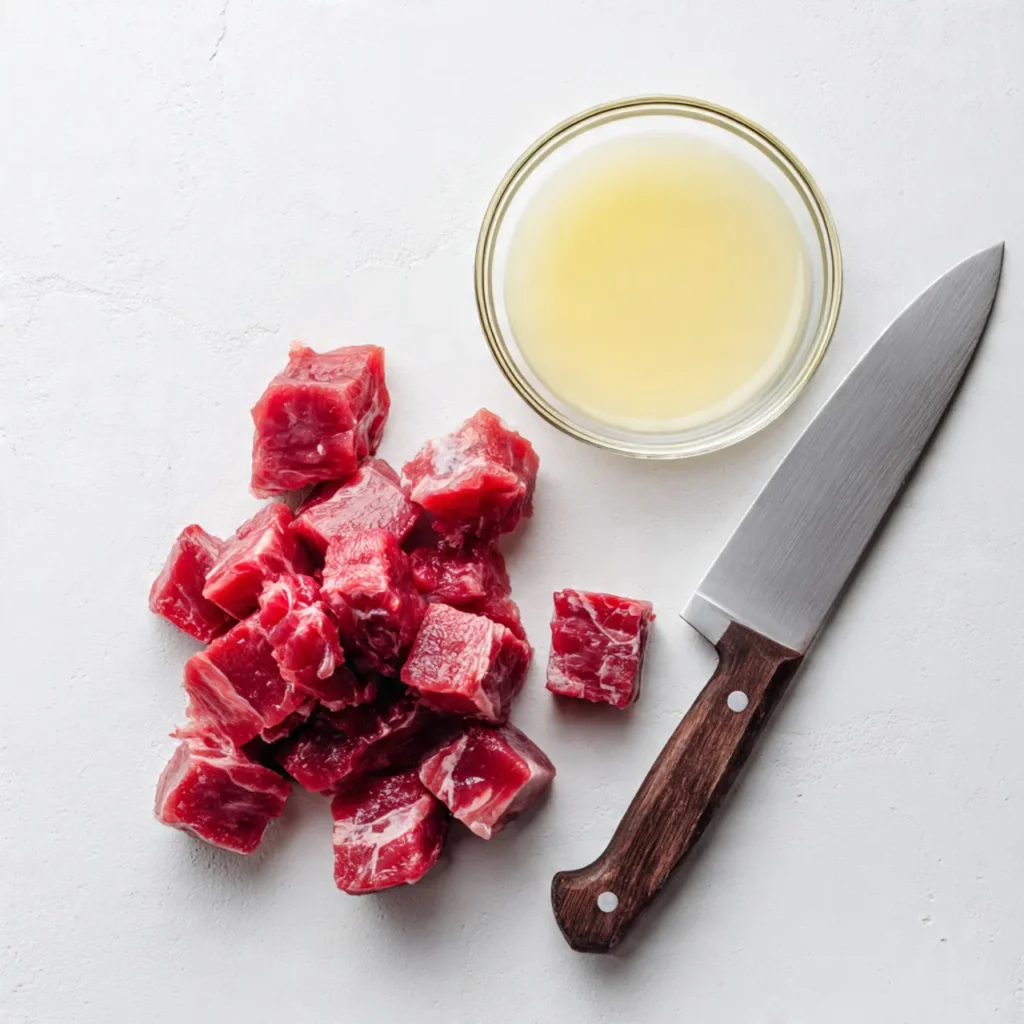
Instructions
Step 1: Preparation
Trim the beef fat into small cubes. Remove any meat or connective tissue. This ensures even rendering and a clean, pure tallow. Prepare a heatproof container to strain and store the liquid fat once rendered.
Step 2: Main Cooking Process
Place the fat in a heavy-bottomed pot over low heat. Slowly melt it, stirring occasionally. If using, add a splash of water to prevent sticking. The fat will slowly liquefy and release a rich, meaty aroma.
Step 3: Combining Ingredients
Once most of the fat has melted and the solids are browned and crisped (cracklings), remove the pot from heat. Carefully strain the liquid fat through a fine-mesh sieve or cheesecloth into a clean, heatproof container.
Step 4: Finishing & Final Simmer
Allow the tallow to cool to room temperature, then cover and store. It will solidify into a creamy, ivory-colored fat. Reserve the crispy bits for snacking or adding to other recipes for extra flavor.
Why This Recipe Works for Busy Days
Rendering beef tallow ahead of time saves effort during busy meals. It can be prepped in batches, stored in the fridge or freezer, and used instantly for frying, roasting, or baking. This makes cooking faster, flavor richer, and cleanup easier.
Tips & Tricks
Variations
Serving Suggestions
Storage Instructions
Recipe Timing
Nutrition Information
Each tablespoon contains ~115 calories and 12 grams of fat. Beef tallow provides fat-soluble vitamins A and E. Nutritional values vary depending on fat source and portion size.
FAQs
Conclusion
Making your own beef tallow adds rich flavor and versatility to everyday cooking. It’s easy to prep, stores well, and enhances everything from frying potatoes to roasting vegetables or searing meats. Keep a jar in your kitchen for quick, cozy meals that feel homemade and comforting, and enjoy the flexibility of this simple, flavorful fat.
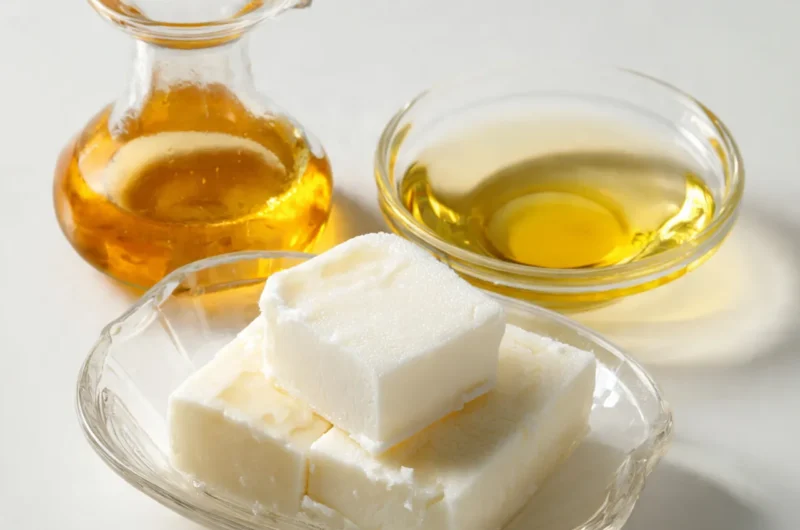
Beef Tallow
Course: Beef RecipesVaries by use
servings10
minutes1
minute300
kcalRich, homemade beef fat perfect for frying, roasting, and baking. Easy to render and store for cozy, flavorful meals anytime.
Ingredients
2 pounds beef fat (suet or trimmed fat from chuck or brisket)
1–2 cups water (optional)
Directions
- Trim fat into cubes, remove meat pieces, prepare container.
- Slowly melt fat over low heat, stirring occasionally. Add water if needed.
- Strain liquid fat through sieve or cheesecloth into container.
- Let cool, solidify, and store. Reserve crispy bits for recipes or snacking.