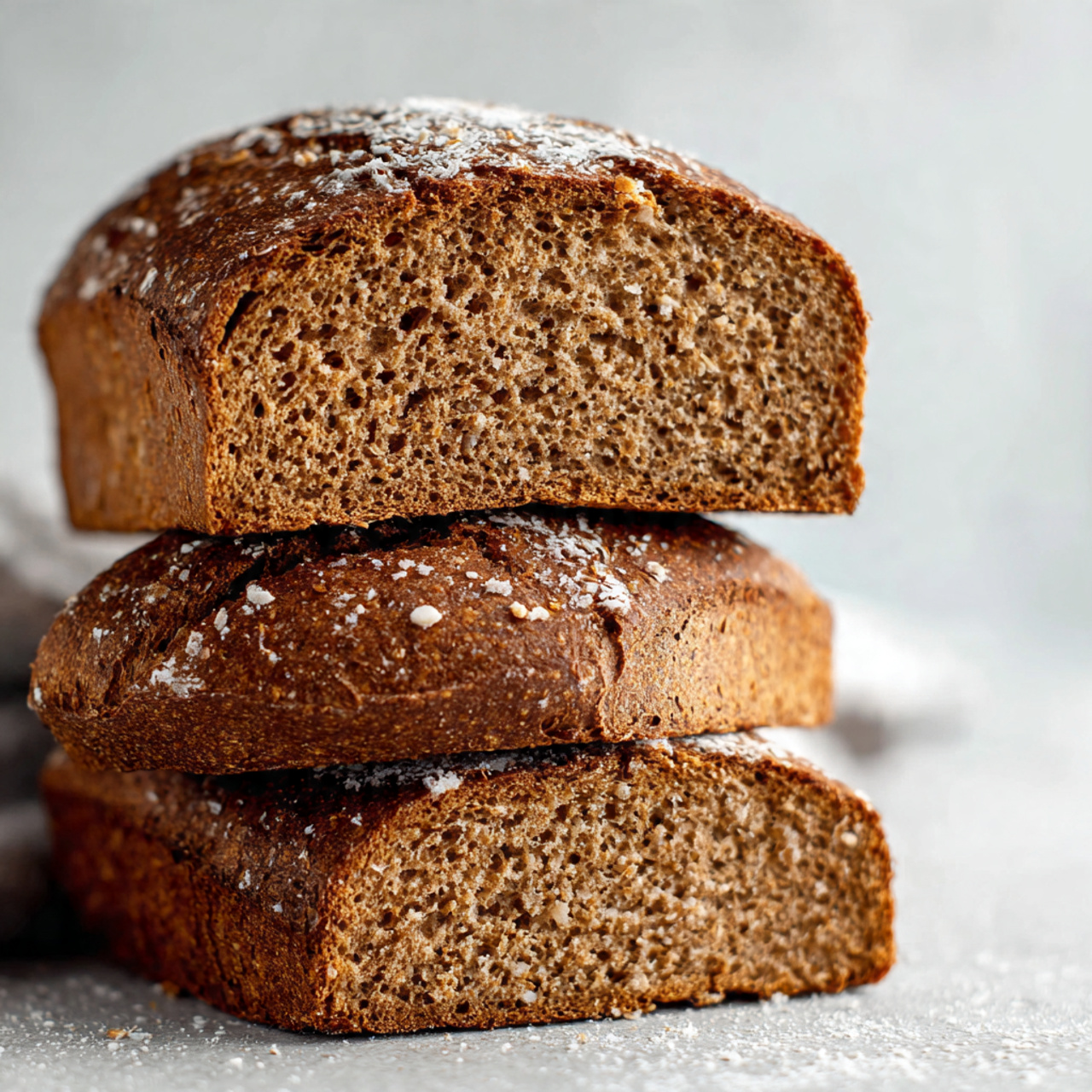
Dutch Oven Bread
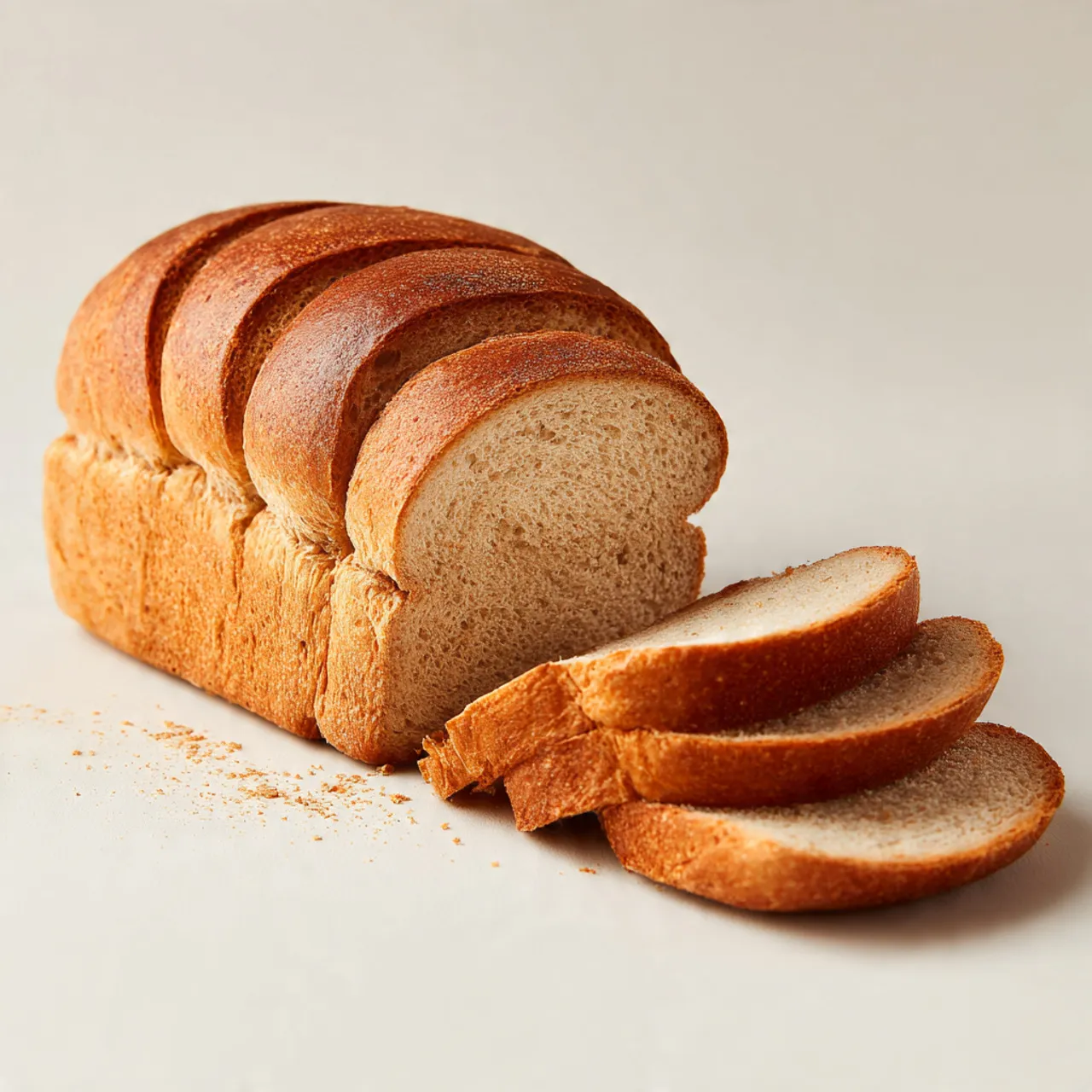
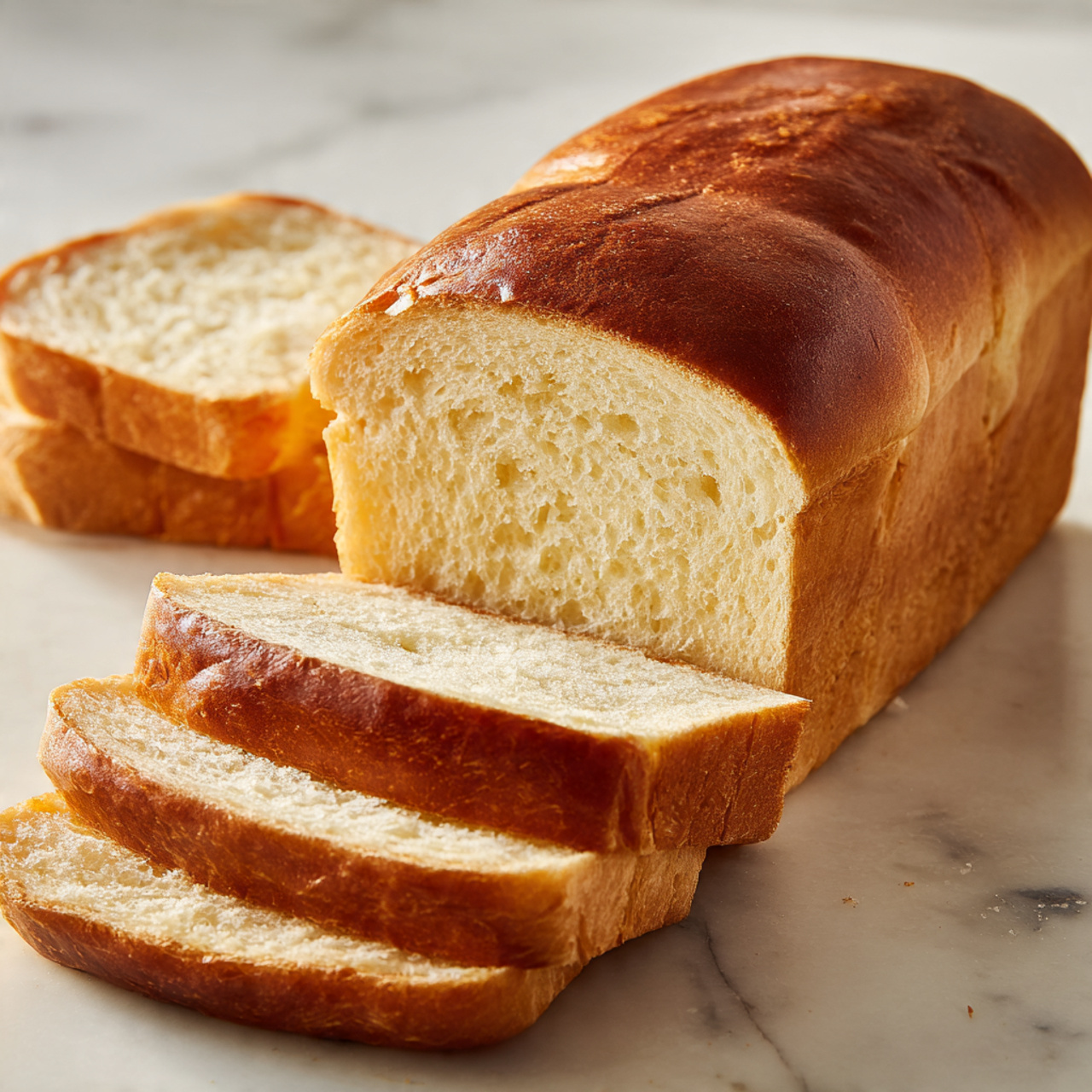
There is something deeply comforting about baking bread at home, especially when it requires very little effort. This recipe is a simple way to enjoy crusty, bakery-style bread without special tools or advanced skills. Dutch oven bread is loved because it fits real life: busy weekdays, slow weekends, and chilly evenings when warm food matters. You mix, wait, bake, and suddenly the kitchen smells incredible. I usually start the dough while cleaning up dinner, then let time do the work. The result feels special but never fussy, making it a reliable choice for family meals, soups, or casual gatherings.
Why You Will Love This Recipe
This bread is all about ease and comfort. The dough comes together quickly, with no kneading and no stress, which makes it ideal for home cooks who want dependable results. The flavor is mild, slightly chewy, and cozy enough to pair with almost anything. Baking it in a heavy pot creates a golden crust while keeping the inside soft and tender. It is weeknight-friendly when planned ahead, budget-conscious, and perfect for leftovers the next day. Dutch oven bread also freezes well, so baking once can cover several meals. It is the kind of recipe you save, revisit, and quietly rely on when you want something homemade without extra work.
Ingredients
Tip: Use fresh active dry yeast for the best rise and flavor.
Instructions
Step 1: Preparation
In a large bowl, stir flour, salt, sugar, and yeast until evenly mixed. Pour in warm water and olive oil. Mix until a shaggy dough forms. It should look sticky and rough, not smooth. Cover the bowl and let it rest.
Step 2: Main Cooking Process
After resting, the dough will look puffed and airy with bubbles on the surface. Gently fold it over itself a few times using a spoon or wet hands. Do not punch it down. Keep the light, airy texture intact.
Step 3: Combining Ingredients
Turn the dough onto lightly floured parchment paper. Shape it into a loose round without pressing hard. Cover loosely and let it rise while the oven heats. The dough should slowly spread and feel soft to the touch.
Step 4: Finishing & Final Simmer
Place a covered dutch oven in the hot oven to preheat. Carefully transfer the dough inside, cover, and bake until the crust forms. Remove the lid near the end to deepen the color. Cool slightly before slicing.
Why This Recipe Works for Busy Days
This bread fits easily into a busy schedule because most of the time is hands-off. You can mix the dough ahead, let it rise while doing other things, and bake when convenient. It stores well, reheats nicely, and makes meals feel complete without extra planning.
Tips & Tricks
Variations
Serving Suggestions
Storage Instructions
Recipe Timing
Nutrition Information
Each slice contains roughly 160–190 calories and 5–7 grams of protein. It also provides carbohydrates for energy and small amounts of iron from the flour. Values are estimates and may vary depending on ingredients used and portion size.
FAQs
Conclusion
Baking bread at home does not have to feel intimidating or time-consuming. This recipe proves that simple steps and basic ingredients can create something deeply satisfying. You can keep it plain, dress it up with add-ins, or bake it again and again as part of your routine. Dutch oven bread fits into everyday life, whether served fresh from the oven or toasted the next morning. Save it, adapt it, and enjoy the quiet comfort of homemade bread whenever the mood strikes.
Dutch Oven Bread
Course: Bread Recipes8
servings10
minutes40
minutes180
kcalA simple homemade bread with a crisp crust and soft center. This recipe uses basic pantry ingredients and minimal effort, making it ideal for everyday baking.
Ingredients
3 cups all-purpose flour
1 ½ teaspoons salt
1 teaspoon sugar
2 teaspoons active dry yeast
1 ½ cups warm water
1 tablespoon olive oil
Directions
- In a bowl, mix flour, salt, sugar, and yeast.
- Add warm water and olive oil. Stir until a sticky dough forms.
- Cover and let the dough rise until doubled and bubbly.
- Shape the dough gently on parchment paper.
- Preheat a covered dutch oven in the oven.
- Transfer dough into the hot pot and cover.
- Bake until crusty and golden. Cool slightly before slicing.